The modern corporate landscape requires a disciplined approach to coordination to ensure that high-level goals are translated into daily successes. Organizations that thrive are those that have moved beyond chaotic, informal task handling toward a more structured and transparent methodology. Establishing a unified framework for execution is the first step in building a resilient and high-performing workforce.
Achieving this level of operational clarity relies on professional project management to keep every moving part of the business in perfect alignment. When teams follow standardized processes, they eliminate the ambiguity that often leads to missed deadlines and wasted resources. This strategic oversight ensures that every employee understands their specific role in achieving the broader vision.
Transparency is the bedrock of effective leadership, providing the visibility needed to monitor progress and identify risks in real-time. By centralizing communication within a dedicated platform, businesses can remove the friction of scattered email threads and manual status reports. This streamlined flow of information allows stakeholders to make proactive adjustments and maintain a competitive pace.
Innovation occurs most naturally when the administrative burden on creative teams is minimized through smart automation. By reducing the time spent on repetitive scheduling and status updates, organizations allow their talent to focus on high-value problem solving. This shift not only improves the quality of the final output but also fosters a more engaged and motivated staff.
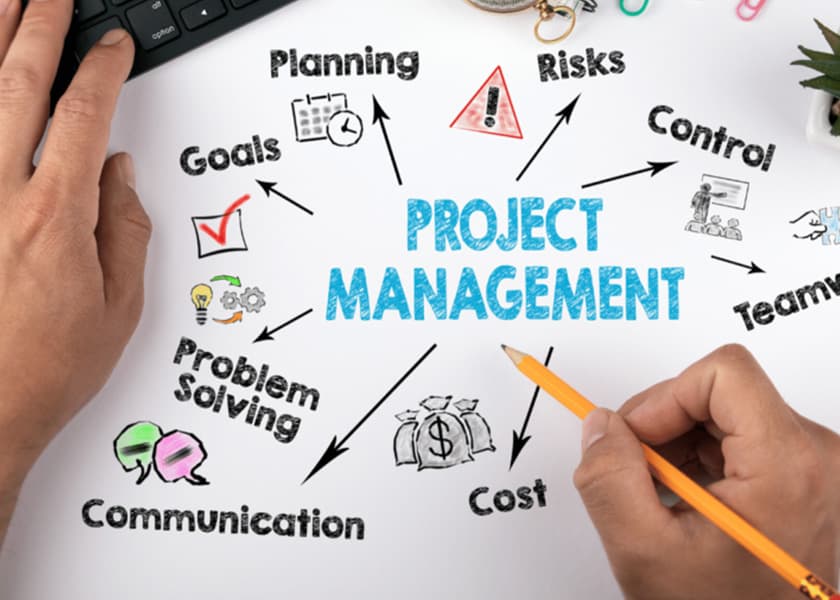
Effective project management acts as a bridge between departmental silos, ensuring that all teams are operating from the same roadmap. It provides the measurable data points necessary for executives to assess project health accurately and allocate budgets with a high degree of confidence. Maintaining this level of control is essential for any enterprise aiming to scale its operations.
Digital transformation success is often determined by how well a company can replicate its successful workflows across different branches. Utilizing flexible digital structures allows for a more seamless expansion into new markets and service lines without losing quality control. Standardizing these operational protocols creates a reliable blueprint for long-term global growth.
Collaboration across global teams is significantly enhanced when everyone is synchronized through a common digital workspace. Providing a shared platform ensures that regardless of time zone or location, every contributor has access to the most current project data. This level of connectivity is a key driver of modern business agility and helps maintain a consistent brand standard.
Selecting a robust Project management software solution is a strategic investment in the future resilience of the entire firm. A versatile platform offers the tools needed to manage complex portfolios while ensuring that no critical detail is lost in the process. High-performing companies recognize that their digital infrastructure is the primary engine of their market success.
In conclusion, the path to sustained corporate excellence is paved with clear objectives and a disciplined approach to execution. By prioritizing coordination, visibility, and automation, any business can transform its operational capacity and achieve significant growth. The journey toward total efficiency is a continuous evolution that begins with the right management foundation.